
Un-crowding India’s Capital and Decentralising of Power

Dispersing offices across the nation will not only decongest Delhi, but will also become economic drivers that will modernise smaller towns.
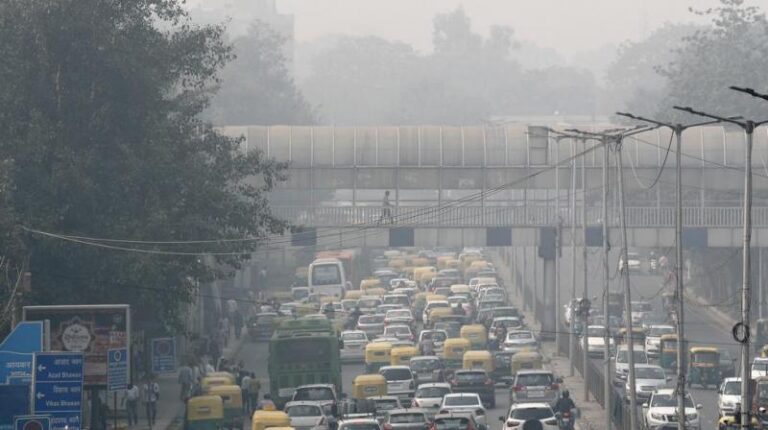
One of the early textbooks I read on Political Economy started with a scenario set in Sao Paulo, Brazil, a city with huge traffic problems in the 1970s and 1980s, with a traffic jam at a major intersection on a hot summer day that turns into a gridlock, and then leads to people abandoning their cars, unable to bear the severe heat, only aggravating the problems. This then leads to outbreaks of road rage, fistfights and soon into a welter of riots and inflicting a severe breakdown of law and order, that then spreads to others parts of Brazil. But Sao Paulo still functions. I think India is now a better candidate to revolution coming out of a traffic jam.